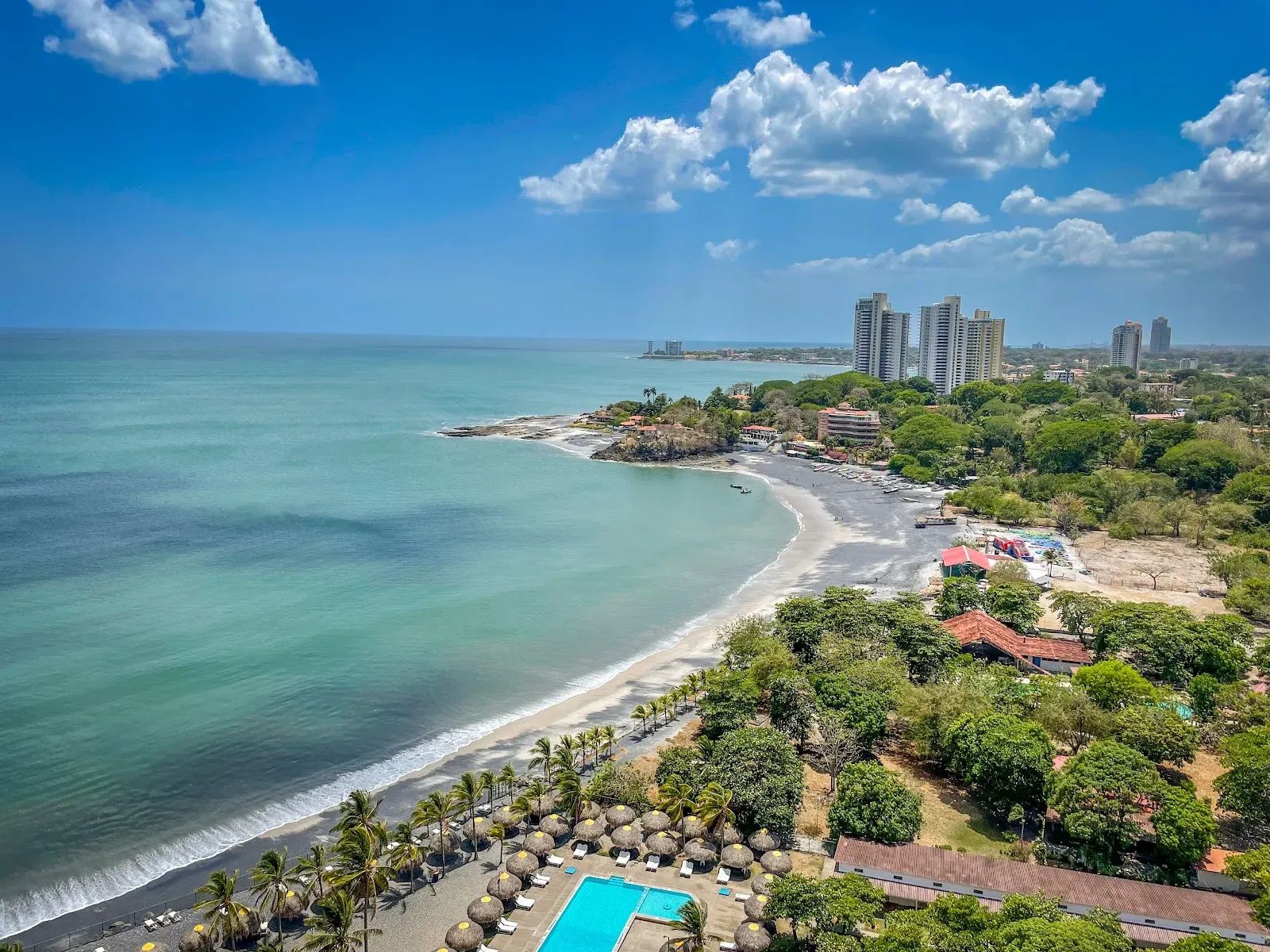
Coronado
Established infrastructure, gated beach communities, and the best-known expat coastal enclave in Panama. Only an hour and a half from the city.
Overview
Why Coronado
Coronado sits on the Pacific coast of Panamá Oeste, about ninety minutes west of Panama City on the Pan-American Highway. It was the country's first organised beach community of any scale, beginning in the 1940s as a weekend escape for capital families and expanding from the 1990s into the best-known expat coastal hub in Panama. The climate is hot and humid year-round, with a pronounced dry season from December to April and tropical afternoon storms during the wet months.
Today Coronado anchors a forty-kilometre stretch of beach towns from Punta Chame in the east to Río Hato in the west, and it concentrates the supermarkets, restaurants, banks, medical clinics, and hardware stores that serve the entire coast. The international community is the largest and most established of any Panamanian beach area and skews toward retirees, second-home owners, and increasingly remote workers and pre-retirement families.
Quick Assessment
What to know before you go
Things to love
- Ninety minutes from Panama City
- Established expat community and services
- Pronounced dry season from December to April
- Golf, beaches, and water sports at the door
- Strong medical, retail, and dining options for a beach area
- Wide range of housing from condos to gated estates
Things to consider
- Hot and humid year-round
- Weekend traffic and crowds from Panama City
- Pacific beaches here are darker sand than the Caribbean
- Specialist healthcare still requires trips to Panama City
- Built-up character compared with quieter beach towns
Daily life
Beach mornings, golf afternoons, and an active community
Daily life in Coronado is built around the beach, the pool, and an unusually active community calendar for a Panamanian beach town. The morning rhythm tends toward early walks on the beach or rounds at one of several local golf courses, including the Tom Fazio-designed course at the Coronado Golf and Beach Resort. The afternoons settle around pools, the supermarkets, and the dining strip on the main avenue.
The international community here is large enough to support a continuous calendar of clubs, charity events, classes, and informal gatherings, from pickleball leagues and yoga studios to bridge nights and birding outings. Restaurants run the full spectrum from Panamanian fondas to international fine dining, and a growing roster of cafés and co-working spaces serves the remote-working population.
Coronado itself is largely car-oriented, with most residents living in gated communities or condominium developments that are too spread out for everyday walking. The Pan-American Highway runs through the middle of the area and gives quick access to neighbouring beach towns including Gorgona, San Carlos, Las Lajas (Pacífico), Santa Clara, and Farallón.
Spanish is the working language, but English is widely spoken in the businesses and services that have grown up around the international community. Fibre internet is broadly available across the main developments, with reasonable cellular backup elsewhere.
Healthcare
Strong local clinics, hospitals in Panama City
Coronado has private clinics and a small hospital (San Fernando opened a branch on the coast) that cover primary care, dental, urgent care, imaging, and a growing list of specialties. Several clinics are oriented to international residents, with English-speaking staff and direct billing for major international insurers.
For complex or specialist care, residents drive to Panama City, where the leading private hospitals (Hospital Punta Pacífica, Hospital Paitilla, Hospital Nacional, Pacífica Salud) provide the full range of services. The drive is about ninety minutes and is a routine part of life for the international community, particularly for annual check-ups and any cardiac, oncology, or surgical care.
Education
A small but growing slate of bilingual schools
Coronado has several bilingual schools serving local and international families, including Coronado International School, and a handful of smaller bilingual academies in nearby Gorgona and San Carlos. These are bilingual more than full international, and curricula range from US-influenced to Panamanian with strong English programmes.
Families seeking a full international curriculum sometimes commute their children inland toward Panama City, though the distance makes this less common than in other suburban-feeling areas. Homeschooling and online schooling are increasingly common among remote-working families along the coast. Higher-education-age children typically plan around university in Panama City or abroad.
You might also like
- island
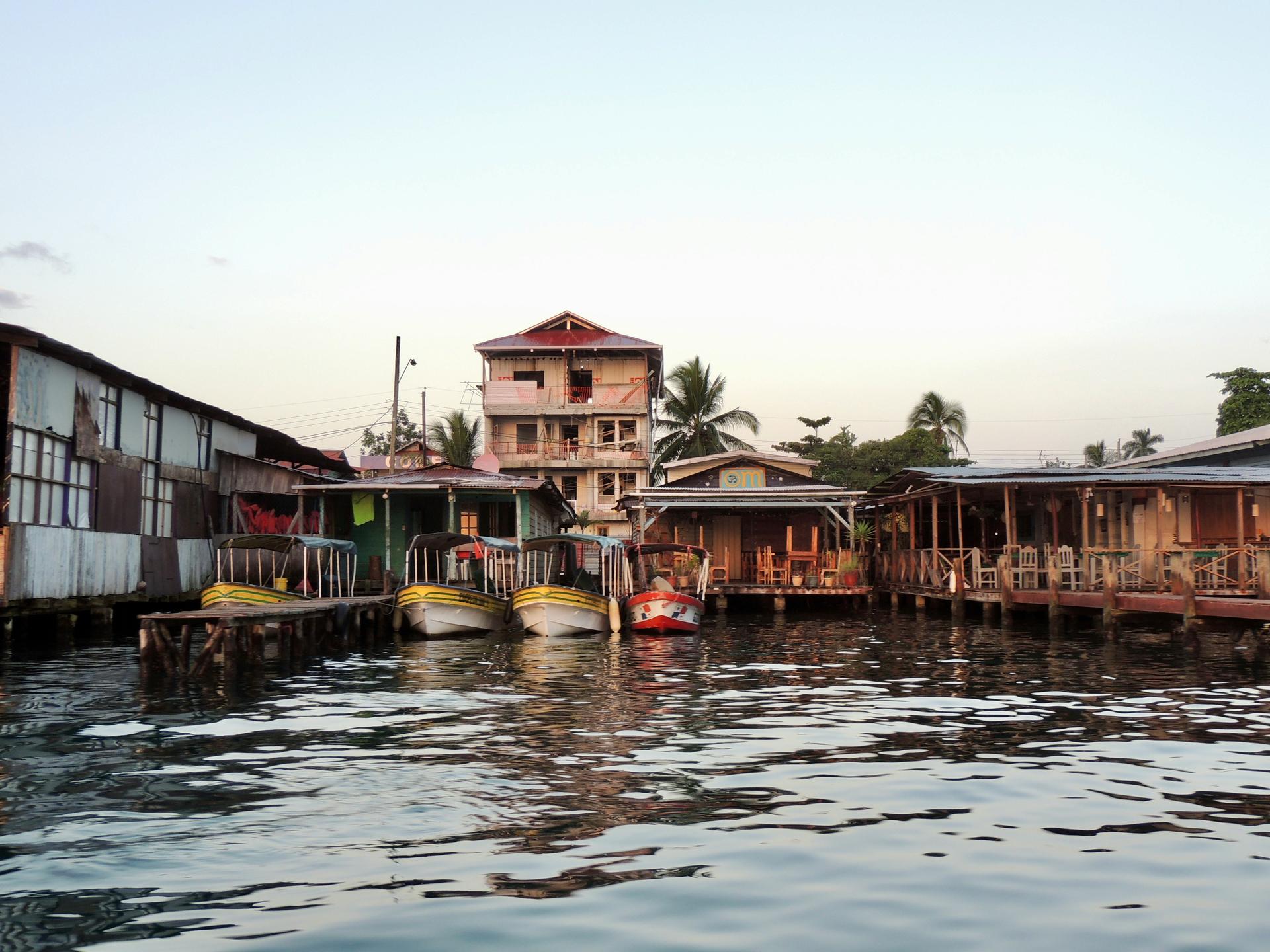
Bocas del Toro
Caribbean island life
Archipelago of Caribbean islands with turquoise water, rainforest, and an easygoing pace. A magnet for surfers, divers, and long-stay travelers.
- Beach
- Surfing
- Diving
Explore → - island
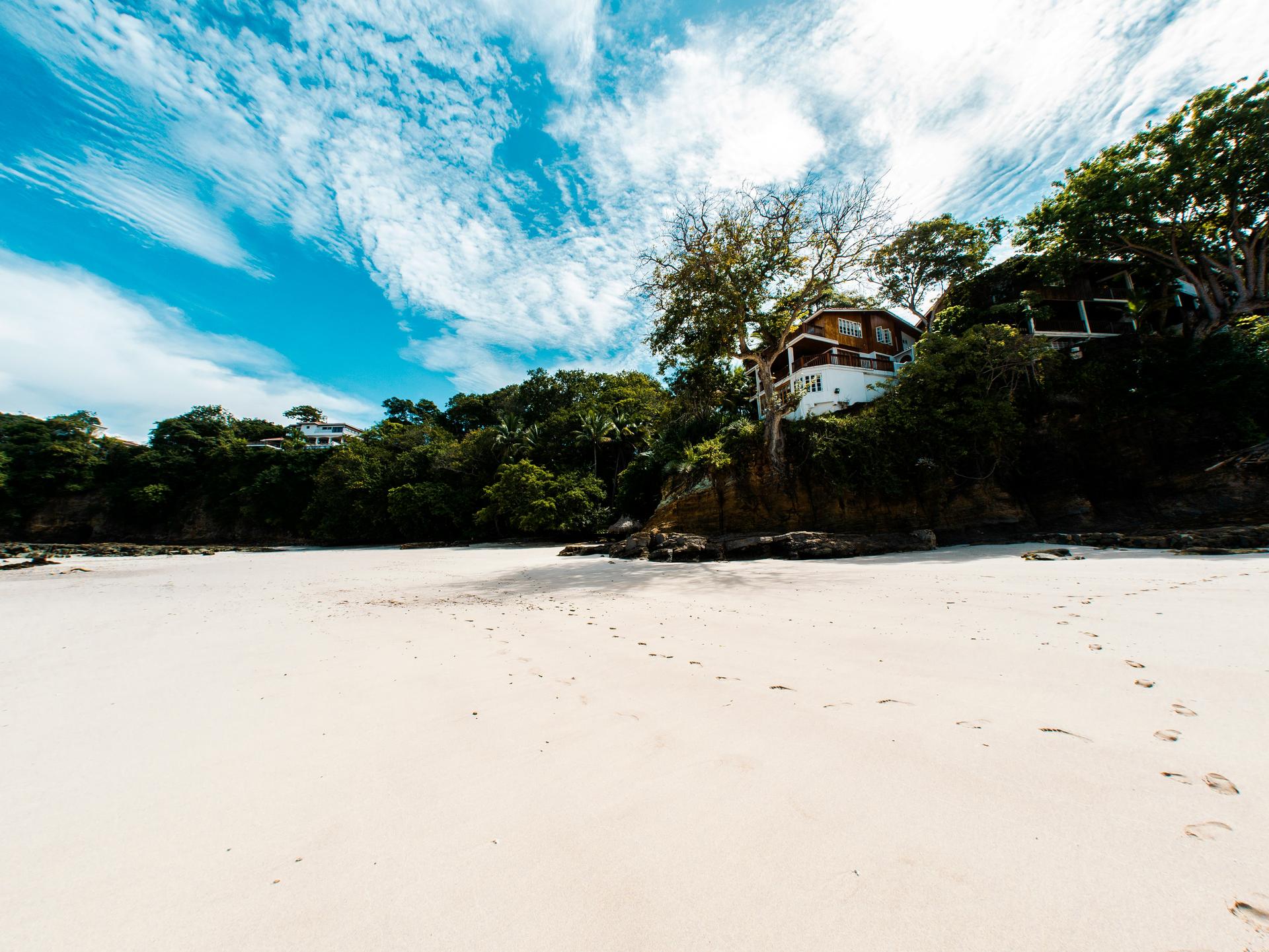
Contadora & The Pearl Islands
Archipelago of islands
Archipelago of islands with pristine Pacific beaches and reefs. Known for its humpback whale season from July to October.
- Whale Watching
- Diving
- Snorkeling
Explore → - beach
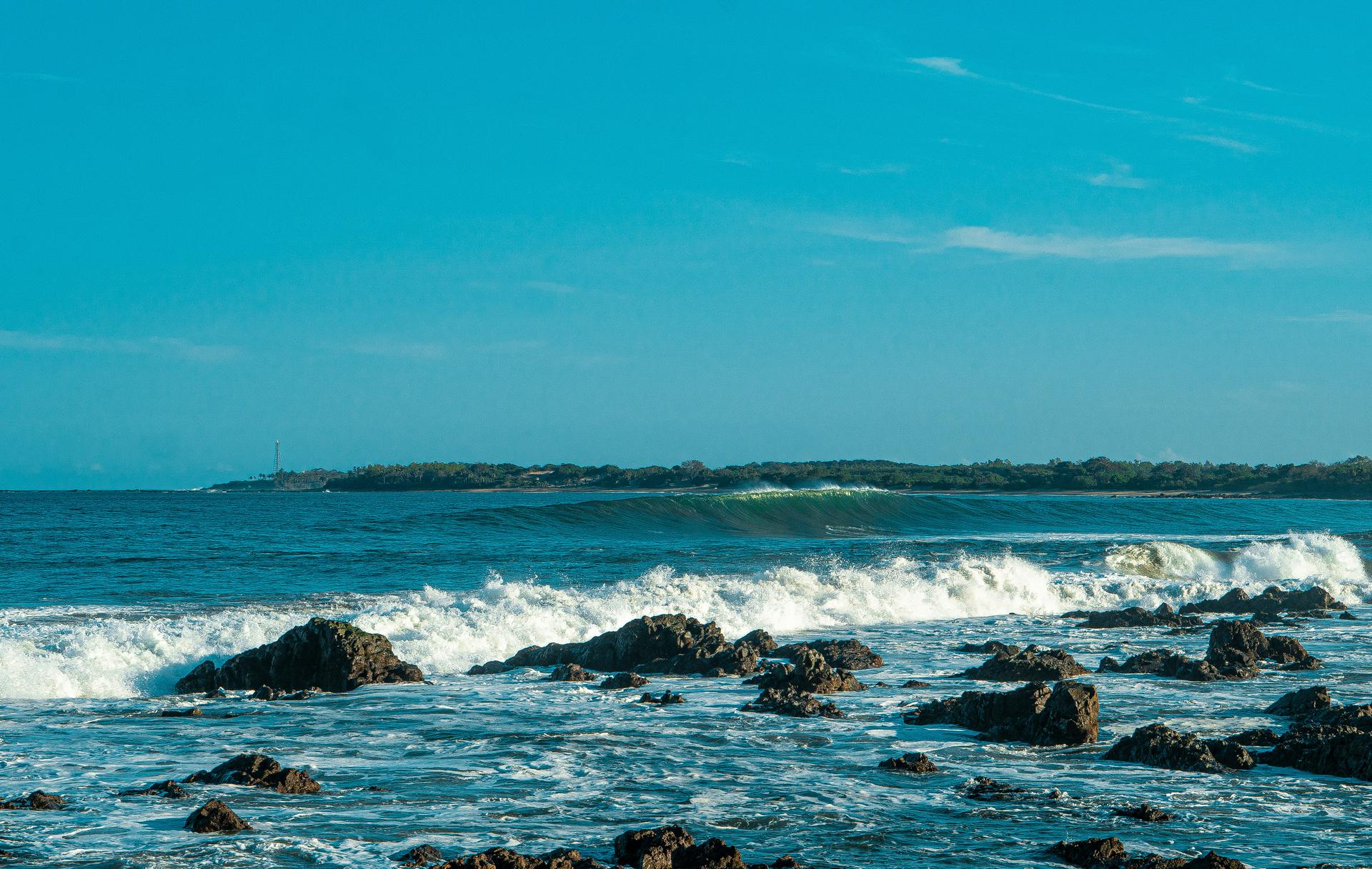
Pedasi
Quiet Pacific beach town
A small, friendly town on the Azuero Peninsula. Uncrowded beaches, sport fishing, and a slower, more local rhythm than the busier coastal resorts.
- Surfing
- Whale Watching
Explore →
Ready to explore Coronado?
We can answer any questions you have or connect you with a vetted local real estate agent who knows Coronado inside and out.