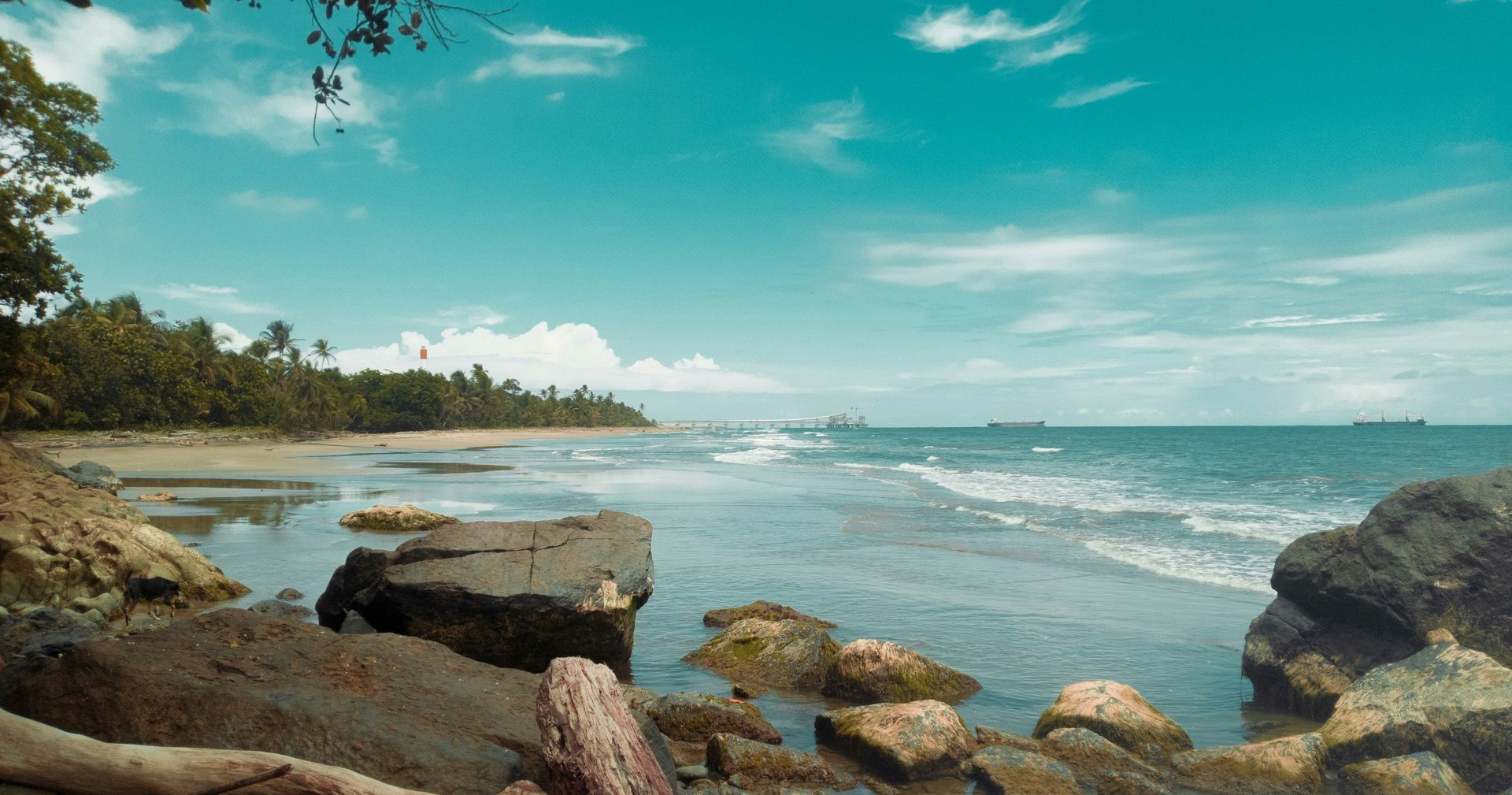
Portobelo
A historic port and corregimiento in the Colón Province known for pristine Caribbean beaches.
Overview
Why Portobelo
Portobelo is a small Caribbean town on the northern coast of Panama, about two hours from Panama City by road. For nearly three centuries it was one of the most important ports of the Spanish Americas, the Atlantic terminus of the silver route from Peru, and the ruins of the colonial forts and customs houses that ring the bay are today a UNESCO World Heritage site. The climate is hot, humid, and notably wet: the Caribbean coast of Panama receives rain across most months of the year.
Today Portobelo is a quiet fishing town and the cultural heart of Afro-Panamanian Congo tradition, with a music, dance, and festival calendar that draws visitors from across the country. The international community here is very small and tends to be specifically interested in the diving, the history, or the cultural setting rather than in an established expat scene.
Quick Assessment
What to know before you go
Things to love
- Rich colonial history and UNESCO heritage
- Strong Afro-Panamanian Congo cultural scene
- Caribbean diving and reef access
- Two hours from Panama City
- Lower property prices than the Pacific coast
Things to consider
- High rainfall across most of the year
- Very small international community
- Specialist healthcare requires travel to Colón or the capital
- Limited international schooling and amenities
- Spanish strongly recommended for daily life
Daily life
A historic harbour with cultural depth
Day-to-day life in Portobelo is built around the bay. The colonial fortifications of San Jerónimo, Santiago, and San Fernando frame the harbour and are part of the everyday backdrop rather than a museum visit. The Iglesia de San Felipe and its Cristo Negro draw pilgrims from across Panama for the October festival, one of the country's most distinctive religious events.
Diving and snorkelling around Isla Grande, Isla Mamey, and the reefs nearby are the main outdoor draw, and the small dive operators in town serve a steady stream of weekenders from Panama City. The cultural calendar is unusually rich for a town this size, with regular Congo drumming and dance and festivals that bring the town to life several times a year.
The town itself is small, with basic supermarkets, restaurants, and a public market. The international community is very small and the rhythm is closer to a traditional Caribbean fishing village than to a relocation destination. Spanish is the working language and is genuinely needed for daily life.
Healthcare
Basic care locally, hospitals in Colón and the capital
Portobelo has a small public health centre that covers routine primary care and prescriptions. Anything beyond that is typically handled in Colón, about an hour away by road, or in Panama City, which has the country's leading private hospitals and is roughly two hours by road.
The practical picture is that Portobelo works for healthy years and routine care, with the understanding that more involved treatment requires travel. Most international residents pair a local clinic for everyday needs with a Panama City hospital for annual check-ups and specialist visits.
Education
Local public schools
Portobelo has Panamanian public schools serving the local population, with no international or full bilingual schools in town. Families seeking an English-medium or international curriculum typically plan around schooling in Panama City or abroad, or rely on homeschooling.
Portobelo is most often chosen by retirees, divers, and culturally interested residents rather than by families building around school-age children locally.
You might also like
- island
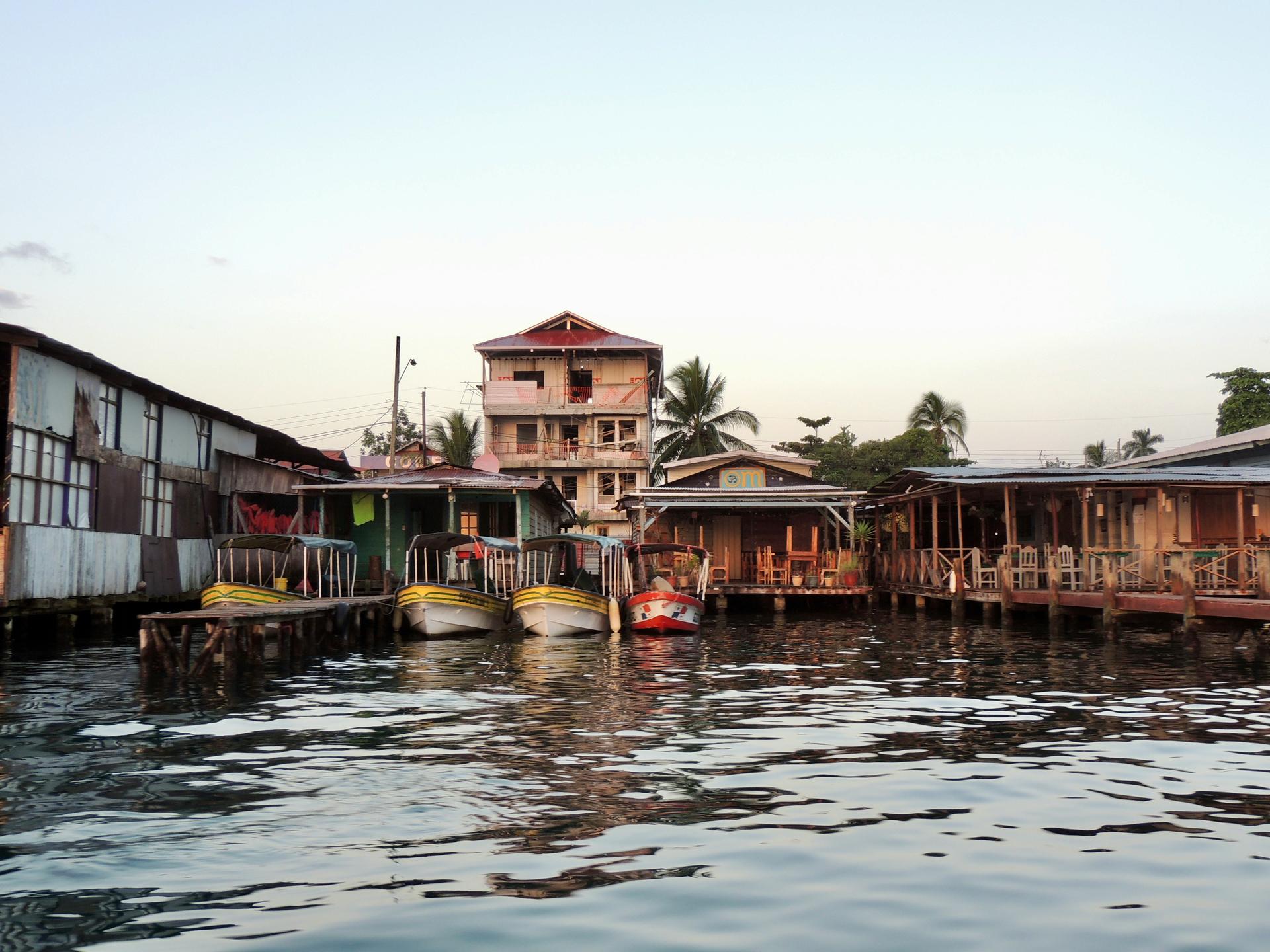
Bocas del Toro
Caribbean island life
Archipelago of Caribbean islands with turquoise water, rainforest, and an easygoing pace. A magnet for surfers, divers, and long-stay travelers.
- Beach
- Surfing
- Diving
Explore → - island
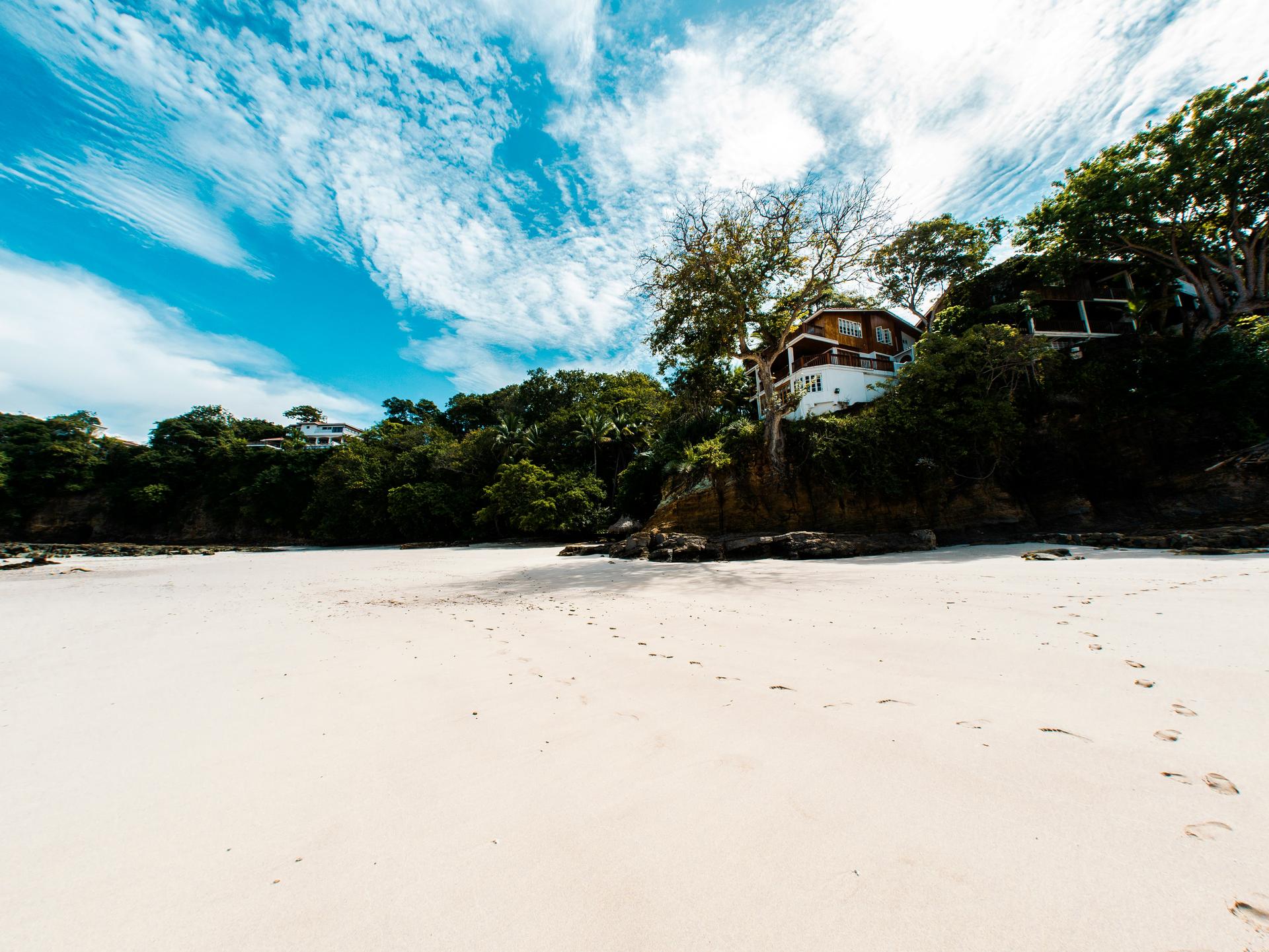
Contadora & The Pearl Islands
Archipelago of islands
Archipelago of islands with pristine Pacific beaches and reefs. Known for its humpback whale season from July to October.
- Whale Watching
- Diving
- Snorkeling
Explore → - beach
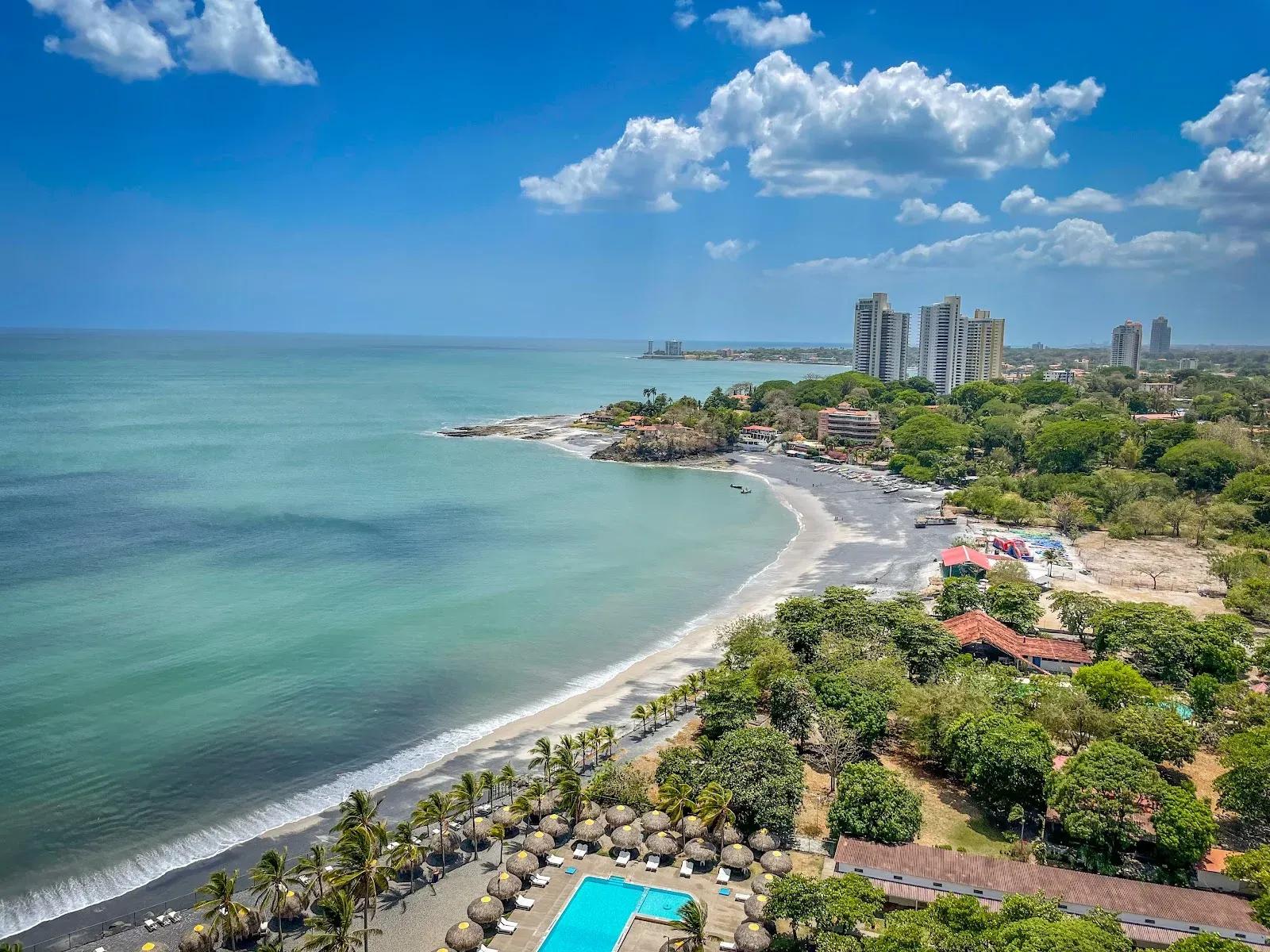
Coronado
The original Pacific beach hub
Established infrastructure, gated beach communities, and the best-known expat coastal enclave in Panama. Only an hour and a half from the city.
- Golf
- Retirement Friendly
Explore →
Ready to explore Portobelo?
We can answer any questions you have or connect you with a vetted local real estate agent who knows Portobelo inside and out.