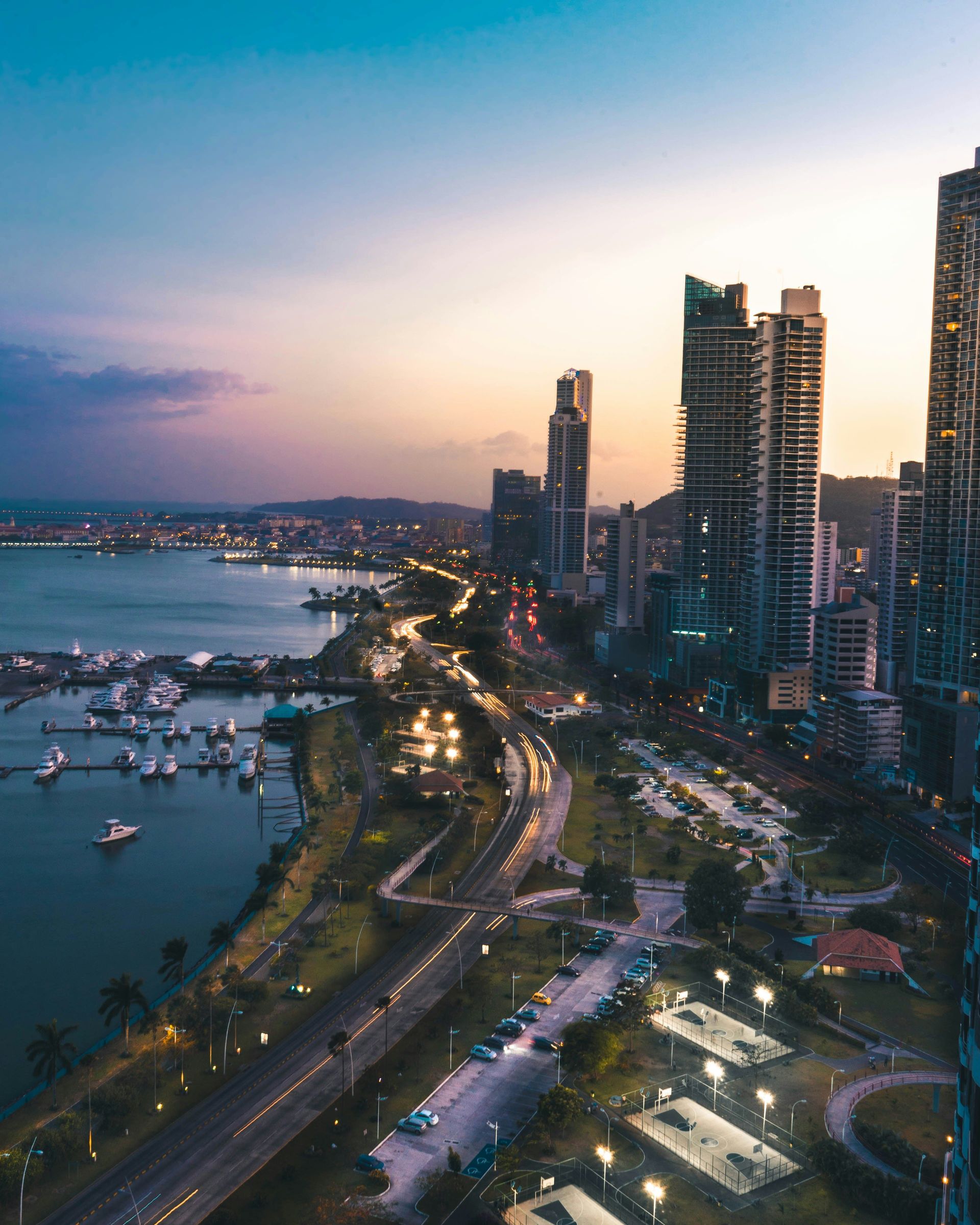
Panama City
Latin America’s most modern capital. A skyline of glass towers, world-class dining, and the region’s busiest international hub, all in a walkable downtown.
Overview
Why Panama City
Panama City is the only major urban centre in the country and concentrates almost everything the rest of Panama lacks: full-service hospitals at international standards, a deep slate of international schools, direct flights to most of the Americas and parts of Europe, established banking and legal services, and a mature dining and cultural scene. For most internationally mobile professionals and families considering Panama, the city is the practical default.
The city sits on the Pacific coast at the entrance to the Panama Canal. The climate is hot and humid year-round, with daytime temperatures between 28 and 32°C (82–90°F) and a wet season from May through November. The US dollar circulates alongside the balboa, which simplifies daily finances for anyone arriving with US bank accounts. English is widely spoken in business, finance, medicine, and the better-known international neighbourhoods.
Quality of life varies sharply between neighbourhoods, traffic is a serious daily fact, and where you live matters more here than in most other Panamanian regions.
Quick Assessment
What to know before you go
Things to love
- Best healthcare in Central America
- Widest range of international schooling in the region
- Direct flights across the Americas and to Europe
- Established banking and professional services
- Strong dining, cultural, and nightlife scene
- US dollar simplifies daily finances
Things to consider
- Hot and humid climate year-round
- Heavy traffic during peak hours
- Property prices materially higher than the rest of Panama
- Quality of life varies sharply by neighbourhood
- Neighbourhood choice matters for safety
- Construction noise in fast-growing areas
Where to live
Explore the neighborhoods of Panama City
From bustling downtown to quiet residential areas, each neighborhood has its own character and charm.
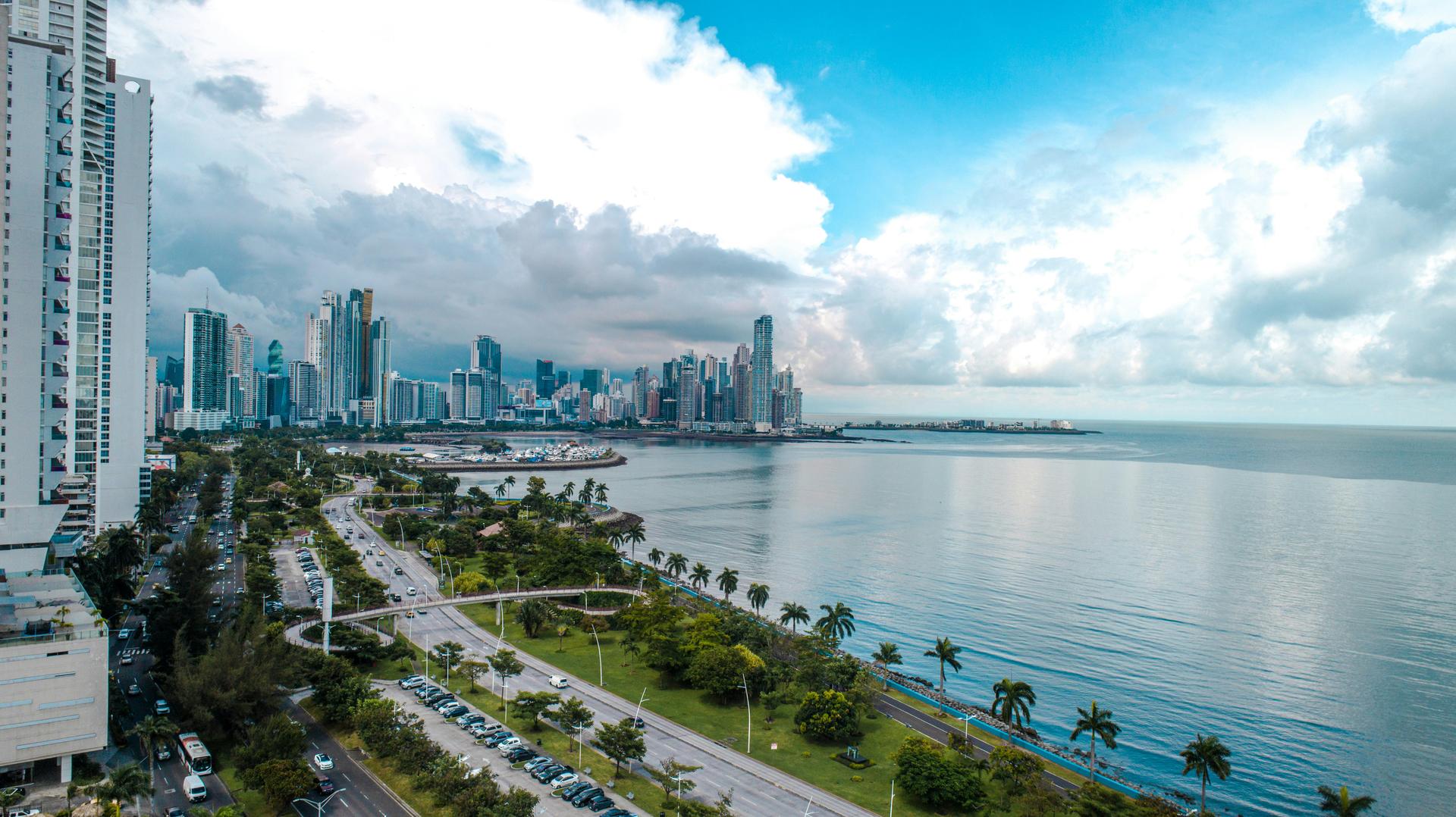
Avenida Balboa
The coastal boulevard lined with high-rise condominiums, seafood restaurants, and the city’s most photographed sunset strip.
- Central
- Oceanfront
- Bay View
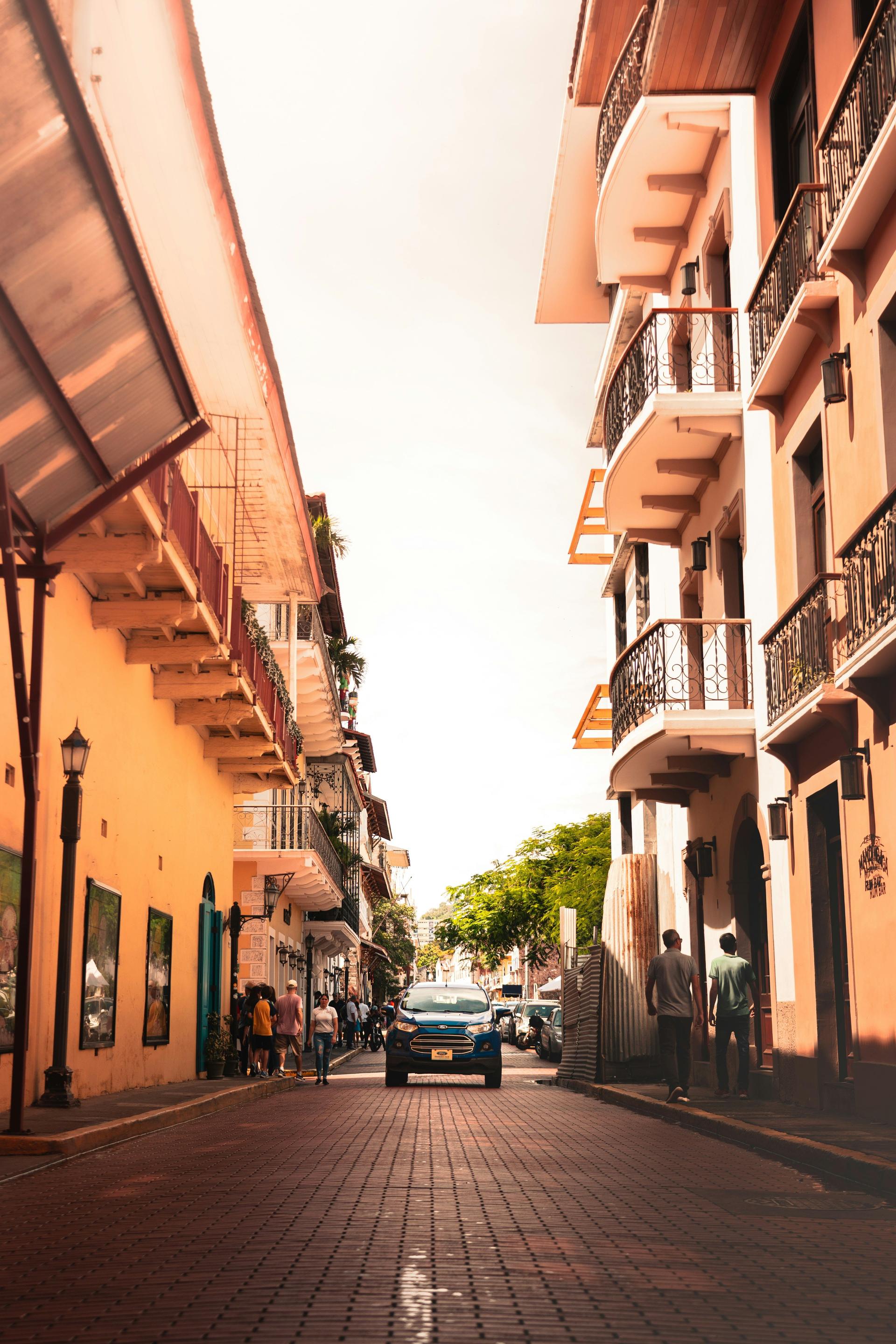
Casco Viejo
UNESCO-listed colonial quarter of cobblestone streets, rooftop bars, and boutique hotels. Loved for its energy and heritage architecture.
- History
- Restaurants
- Nightlife
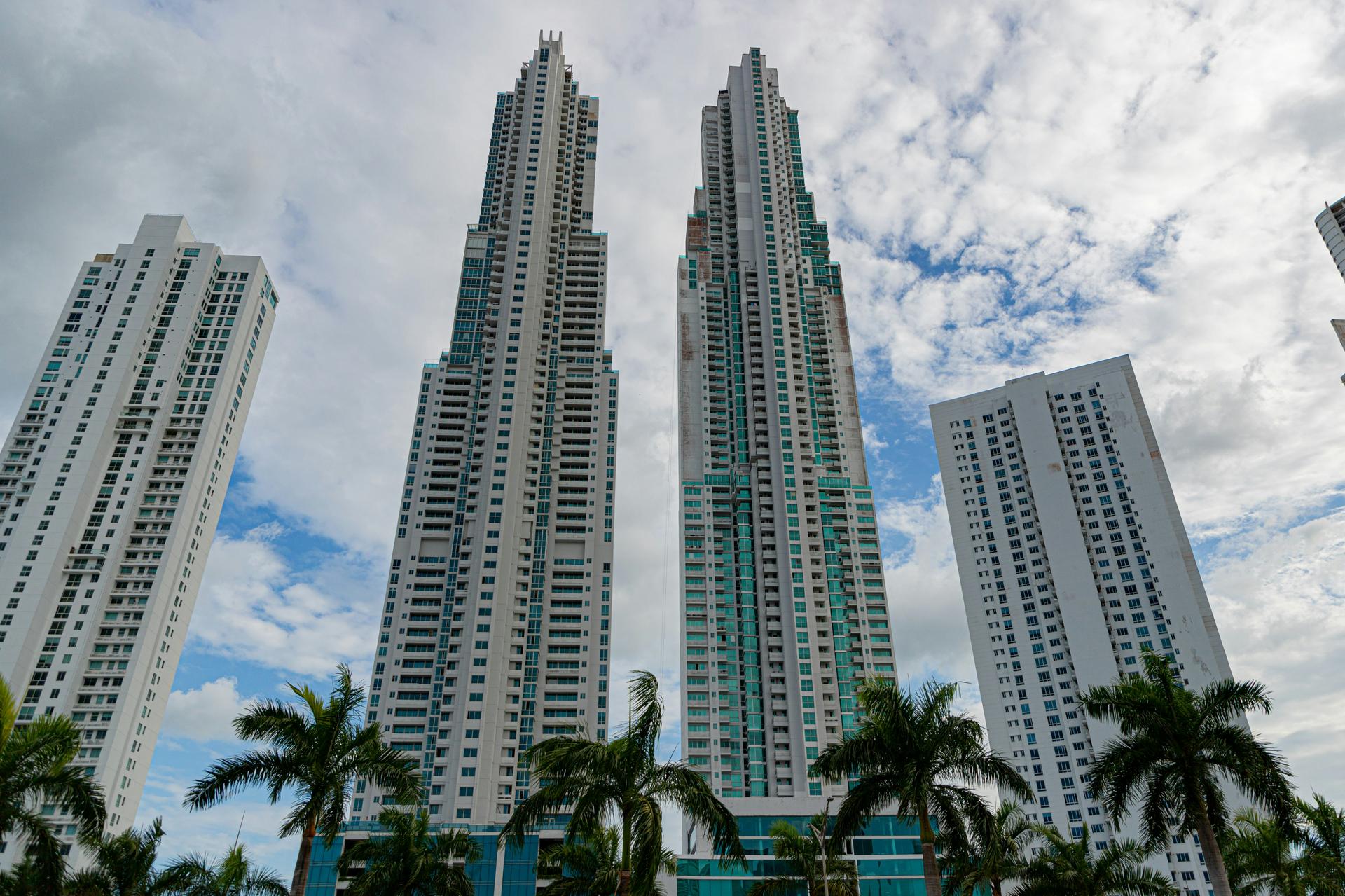
Costa del Este
A master-planned district popular with families and professionals. Low traffic, modern infrastructure, and easy access to the airport.
- Family Friendly
- Walkable
- Master-planned
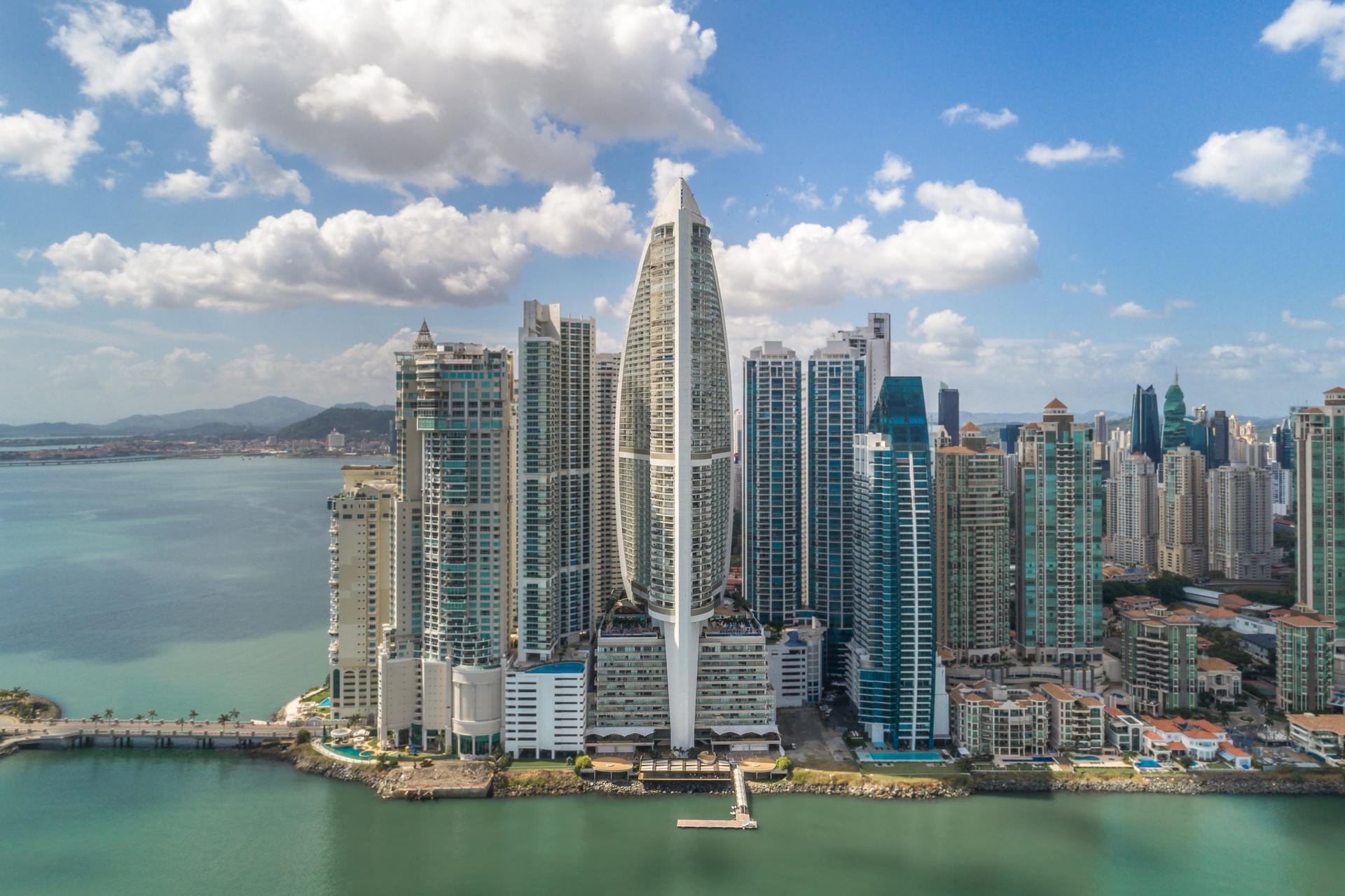
Punta Pacifica
The peninsula neighborhood known for high-end residential towers, Multiplaza shopping, and the city’s flagship private hospital.
- Central
- Luxury
- Hospitals
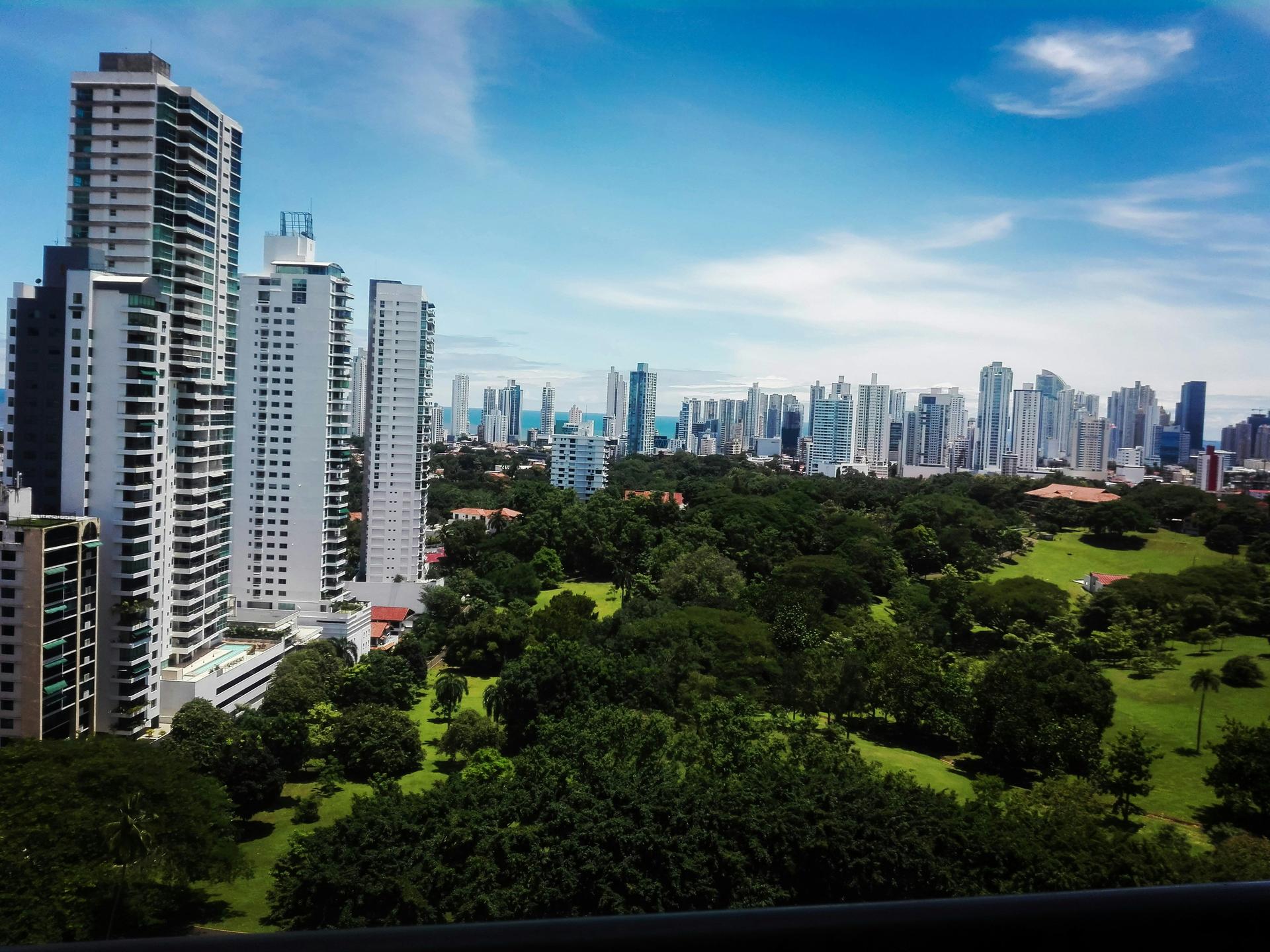
San Francisco
A mid-rise neighborhood loved for its parks, cafes, and everyday walkability. One of the most consistently rented areas of the city.
- Walkable
- Restaurants
- Parks
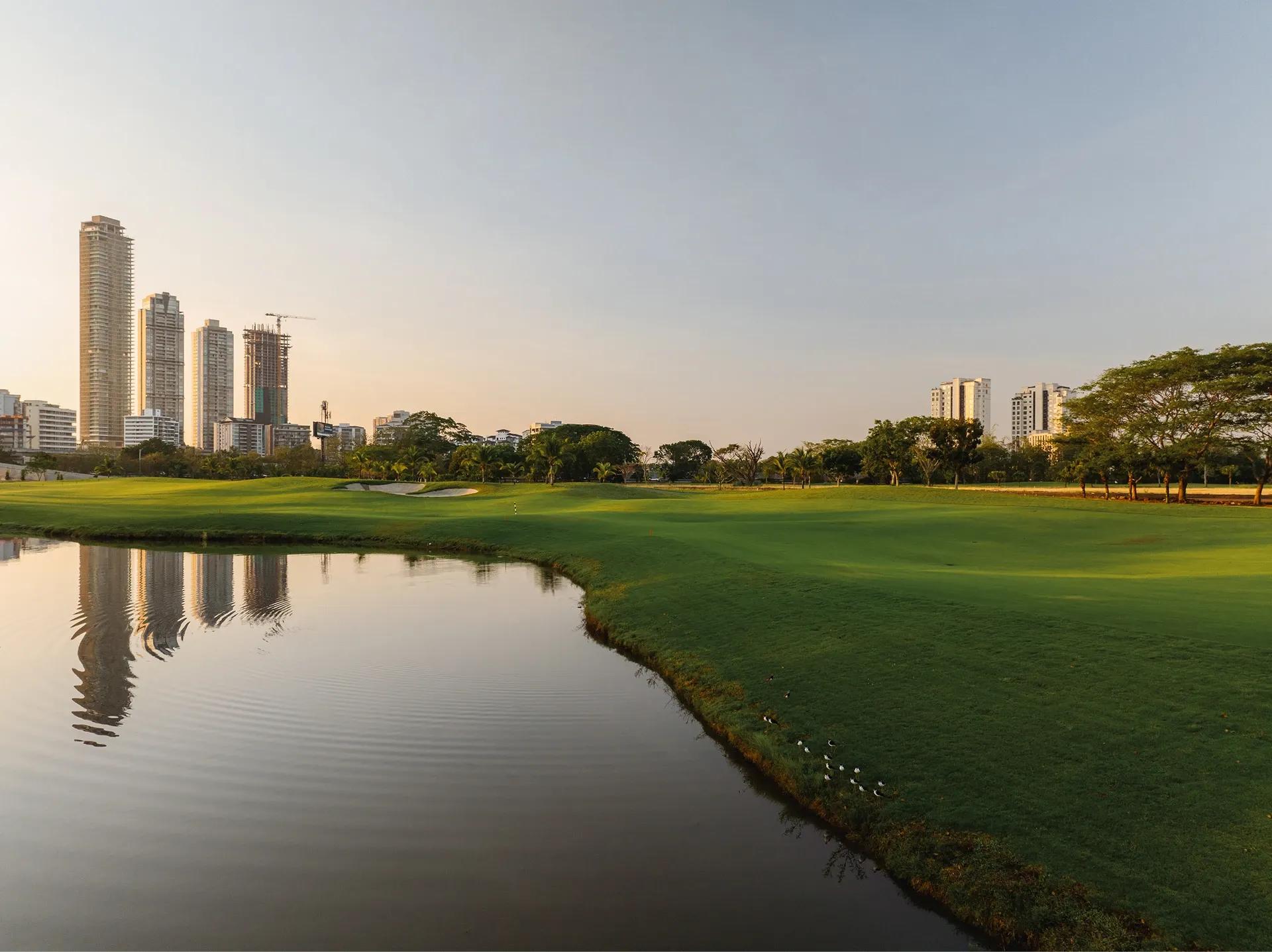
Santa Maria
Panama City's newest upscale master-planned community, built around an 18-hole golf course. Luxury villas and condos, tight security, and a quiet residential character away from the city buzz.
- Golf
- Luxury
- Master-planned
Daily life
A working city, with weekends on the water
Panama City is a working capital first and a lifestyle destination second. The financial district, regional headquarters of multinationals, and a maturing remote-work scene give the city a weekday rhythm and a deeper professional network than anywhere else in Central America.
The cultural and food scene punches well above the city's size. Casco Viejo anchors it, with restored plazas, rooftop bars, galleries, the National Theatre, and the Museo del Canal Interoceánico. The Biomuseo on the Amador Causeway and a packed calendar of music, jazz, and film festivals keep things lively year-round. The restaurant scene has matured into one of the strongest in Latin America, and golfers are well served too, from Santa María in the city to Buenaventura and Vista Mar about an hour out.
For weekend errands and air-conditioned downtime, malls like Multiplaza and Soho double as social hubs. Green space is close at hand: the Cinta Costera along Avenida Balboa is the main waterfront for walking, running, and cycling; Parque Omar offers shaded jogging loops; and Parque Natural Metropolitano, a true tropical forest inside the city limits, has trails with toucans, sloths, and a lookout over the skyline.
Getaways are unusually close. Taboga and the Pearl Islands (Contadora) are a short ferry or flight for beaches and snorkelling; the Pacific coast around Coronado and Punta Chame is an easy drive; El Valle de Antón offers cool mountain air, hiking, and hot springs roughly two hours away; and Gamboa, Soberanía National Park, and the Caribbean side at Portobelo and Isla Grande put rainforest and the Canal within reach for a day or weekend.
Transport is improving but still mostly private. Metro Lines 1 and 2 cover key corridors and now reach Tocumen airport, with a third line under construction toward the western suburbs. Uber is reliable and far cheaper than in Europe or North America. Owning a car remains the default outside the central neighbourhoods. Fibre internet is widely available, with typical home speeds of 200–1,000 Mbps.
Healthcare
The reference for the country and much of the region
Panama City has the best private healthcare in Central America and is a regional referral destination. The leading private hospitals (Hospital Punta Pacífica, with its long-standing Johns Hopkins Medicine International affiliation, Hospital Paitilla, Hospital Nacional, and Pacífica Salud) cover the full range of specialties at international standards. Many physicians are US- or Europe-trained and speak English.
Most major international health insurers operate in the country, and several Panamanian insurers integrate cleanly with these hospitals. For the rare cases that require care unavailable in Panama, Miami and Houston are direct three-hour flights from Tocumen.
Education
The widest range of international schooling in Central America
Panama City has the country's deepest international school market, with schools across US, British, French, German, Italian, and IB curricula. The most established English-medium options include the International School of Panama (IB), Balboa Academy, the Metropolitan School of Panama, Knightsbridge Schools International, and Crossroads Christian Academy. Other-language options include the Lycée Français Paul Gauguin, the Deutsche Schule, and the Italian school.
Demand at the top schools has grown faster than capacity since 2020, and several now run waiting lists for the most popular grade entry points. Costa del Este, Clayton, and Santa María are the neighbourhoods most heavily oriented toward school-age families.
Ready to explore Panama City?
We can answer any questions you have or connect you with a vetted local real estate agent who knows Panama City inside and out.